Expertises
-
Method designs
Conceptual and detailed method designs
Developing engineering methods from initial concepts through to fully detailed plans. This includes identifying the sequence of operations, selecting appropriate tools and techniques, integrating safety measures, and ensuring that the design can be practically implemented on-site. The goal is to bridge the gap between theoretical ideas and operational execution.
-
Engineering
Structural and mechanical engineering
Performing in-depth analyses and designs for both structural frameworks and mechanical systems. This involves evaluating loads, stresses, and material properties, designing supports, machinery, and components, and ensuring compliance with engineering standards, codes, and safety regulations. The aim is to create reliable, durable, and efficient structures and systems.
-
Feasibility studies
Technical feasibility studies and method optimization
Conducting thorough studies to assess whether proposed engineering solutions are practical, cost-effective, and achievable within given constraints. This includes analyzing alternative approaches, evaluating risks, and recommending improvements to optimize safety, efficiency, and resource utilization.
-
Specifications
Specifications and requirements
Preparing detailed technical documentation that outlines the necessary materials, components, tolerances, performance criteria, and regulatory requirements. These specifications serve as a clear guide for design, procurement, and execution, ensuring consistency and quality across all project stages.
-
Method statements
Method statements
Creating comprehensive step-by-step instructions for performing complex engineering tasks safely and effectively. Method statements describe the sequence of operations, required tools and equipment, safety precautions, personnel responsibilities, and contingency measures to ensure successful project execution.
-
Lifting methods
Lifting and transport methods and analyses
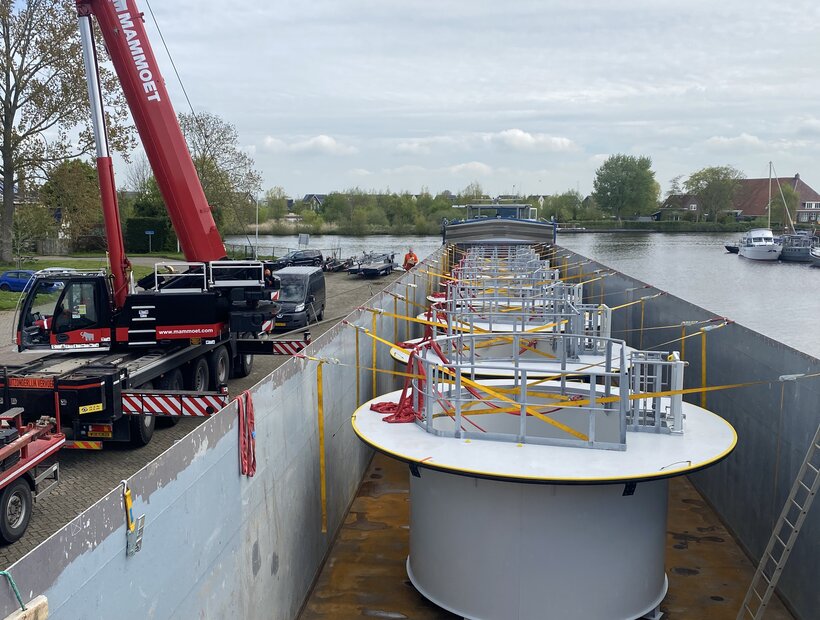
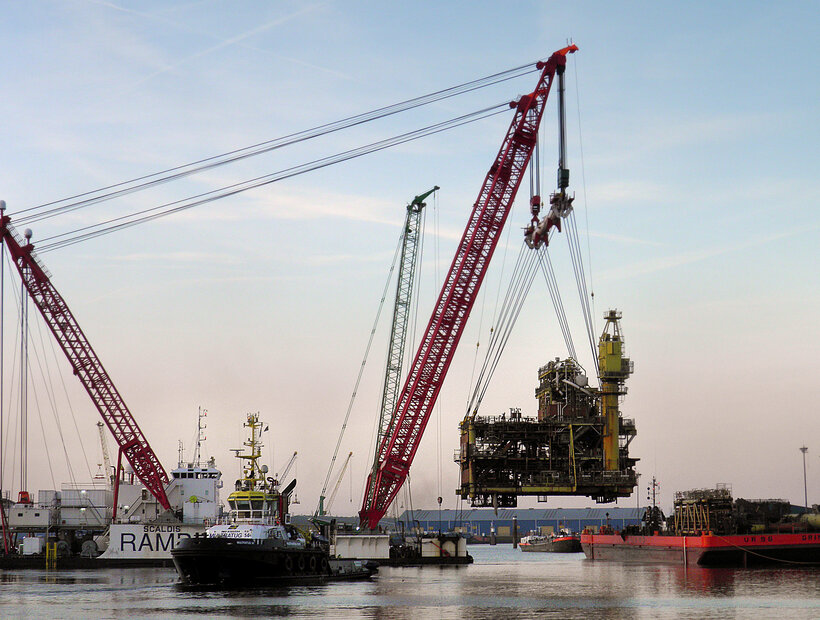
Planning, evaluating, and documenting procedures for moving heavy or complex equipment and materials. This includes determining lifting points, calculating forces and load capacities, selecting cranes or transport vehicles, conducting risk assessments, and ensuring compliance with safety standards and regulations. The objective is to prevent accidents, minimize downtime, and ensure efficient logistics.